


For an electric scooter to enter the European market legally, two things have to be true: it must carry CE marking against the applicable EU directives, and it must meet EN 17128, the technical standard that defines a safe Personal Light Electric Vehicle (PLEV). This page explains what each one requires, the documents a serious importer should demand before ordering, and how we handle compliance as a CE and EN 17128 certified manufacturer.
View the in-stock D01CE marking is not a single certificate. It is the declaration that the product conforms to every EU directive that applies to it. For an electric scooter, classified as a PLEV, the relevant ones are:
The CE mark is backed by an EU Declaration of Conformity (DoC) that names the responsible entity, lists every directive applied, and references the test standards used. Customs can request it at the point of entry, in the language of the destination market.
CE marking says the self-assessment is done. EN 17128:2020 (Personal light electric vehicles (PLEV) – Requirements and test methods, in force across the EU since 2021) defines what safe actually means for this category. It covers:
The practical point for importers: EN 17128 compliance means a documented test report from an accredited laboratory (SGS, TUV, Bureau Veritas, Intertek), for the specific model and revision. A certificate image is not a test report.
Before you commit to a container, ask for, and actually read, each of these:
A manufacturer that has done the work provides all six without friction. Substituting marketing material for a test report is the warning sign.
A unit software-limited to 25 km/h but unlockable to 30+ is not compliant. Market surveillance authorities test samples.
The chassis may be CE marked while the pack carries only UN 38.3 transport testing. EN 17128 expects the pack to meet IEC 62133-class safety, tested as a system.
A certificate for one model and year does not cover a revised model, even if it looks identical. Design changes require re-testing.
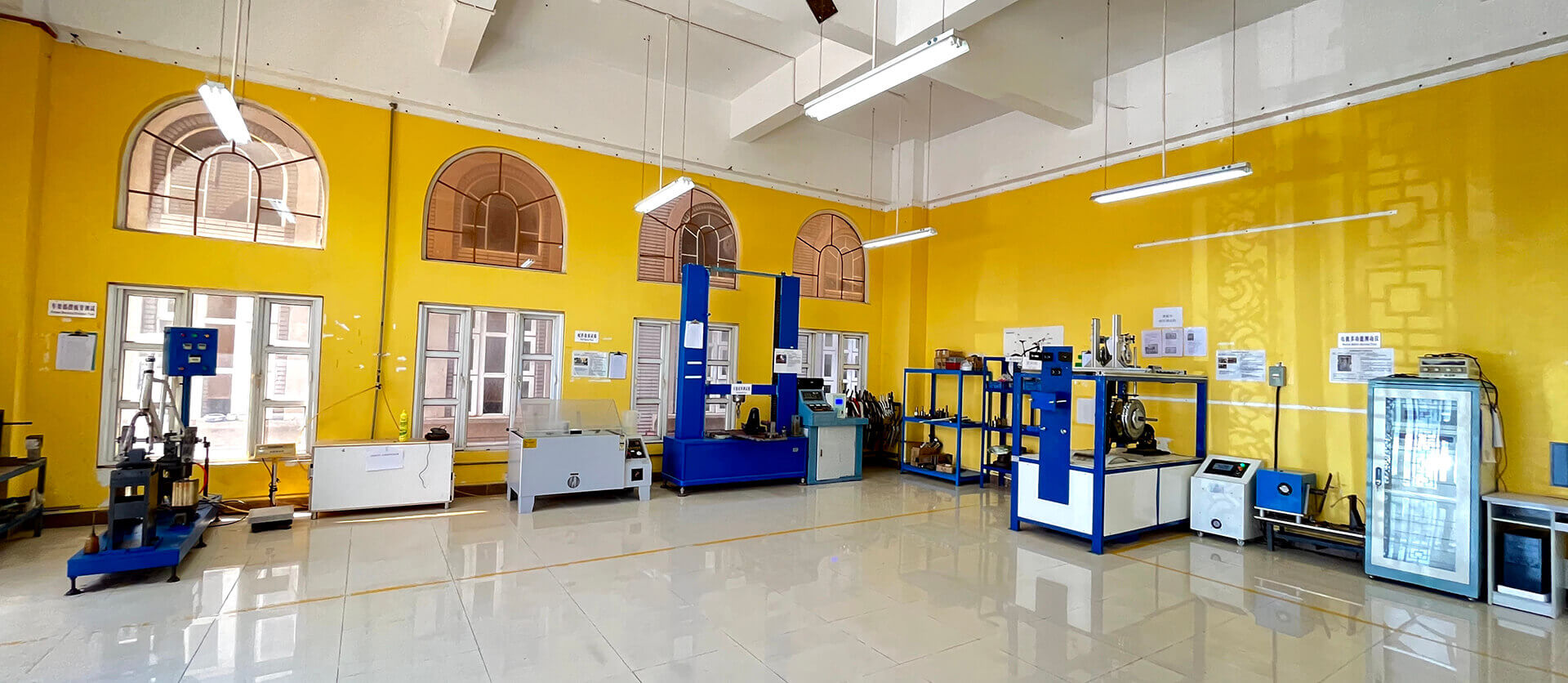
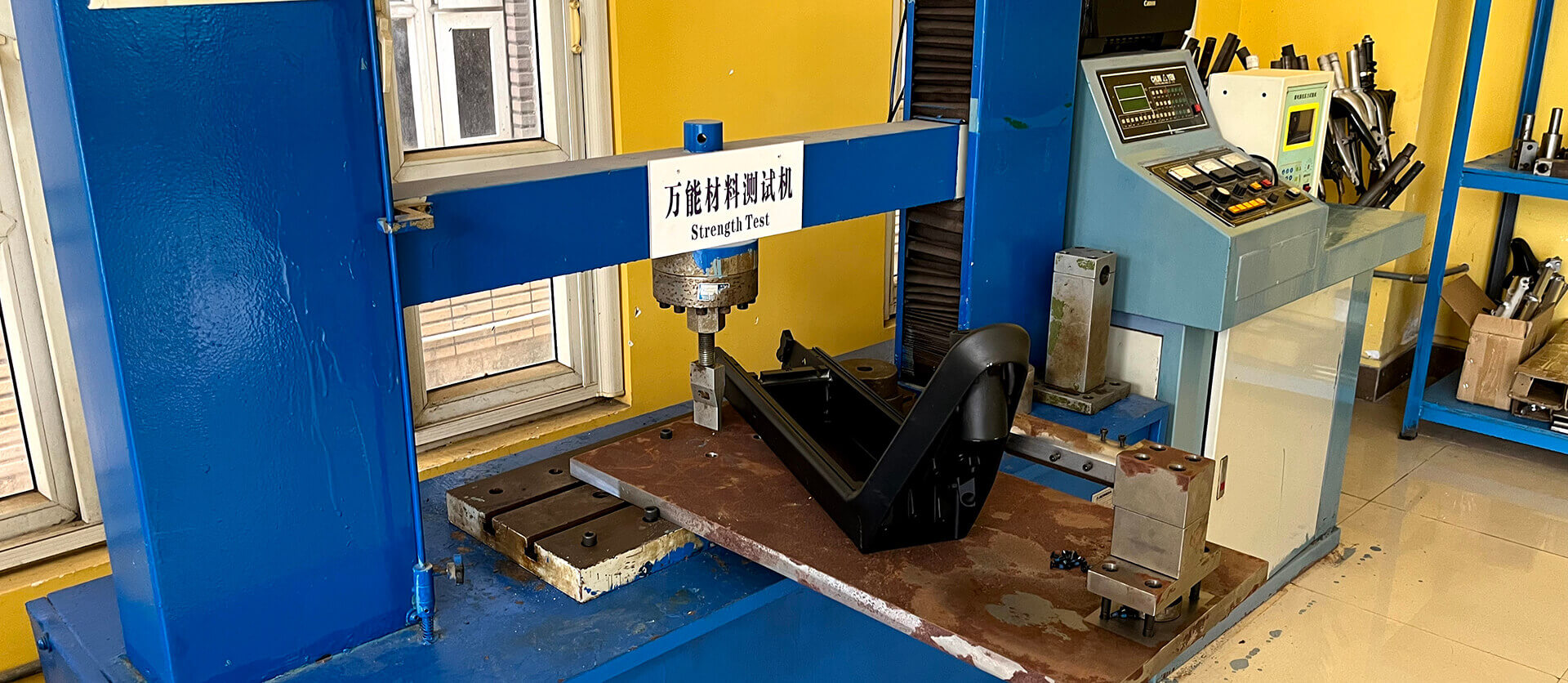
We have built electric scooters in our own Shenzhen plant since 2006, and compliance is wired into how we run production, not added at the end:


Examples of our certification documents, selectively redacted. We also hold FCC, UL, and CCC for other markets. Full documentation, including the EN 17128 test report and the EU Declaration of Conformity, is available on request.
The D01 is built to European market specification: a 500W rated motor electronically limited to 25 km/h, a 52V removable lithium pack to IEC battery-safety requirements, and CE / EN 17128 / EMC / RoHS / UN 38.3 / MSDS certification with full documentation. It ships from stock, FOB Shenzhen. To compare it against our other EU-spec models, see the electric scooter model comparison. For OEM or ODM programs, compliance is built into the design from the start — see OEM and ODM.
It depends on the configuration. Most standard PLEVs are CE self-declared by the manufacturer against the applicable directives, supported by accredited-lab test reports. Certain specifications or components can require Notified Body involvement and a Type Examination Certificate. We confirm the correct route for your model and provide the matching documentation.
CE marking is the declaration that the scooter conforms to the applicable EU directives, covering machinery, low voltage, EMC, and RoHS. EN 17128 is the technical standard that defines and tests what a safe Personal Light Electric Vehicle actually is. CE is the legal claim; EN 17128 is the evidence you test against.
Yes. The lithium pack needs UN 38.3 for transport and an IEC 62133-class safety assessment for the pack itself; the chassis CE mark does not automatically cover the battery. We provide the UN 38.3 transport report and the battery safety documentation for the pack used in production.
Appearance-only OEM changes such as color, logo, and packaging generally stay within the certified configuration. Changes to the battery, motor, controller, or braking are specification changes that require re-testing. We tell you up front which customizations stay inside the existing certification and which need new test reports.
The EU Declaration of Conformity, the EN 17128 test report from an accredited lab, battery safety (IEC 62133-class) and UN 38.3 transport reports, the EMC test report, and the battery MSDS. Documentation is provided for your due diligence and for customs at the destination market.
Yes. Europe follows the EN 17128 framework with the 25 km/h limit; for the Middle East and South America we configure specification and documentation to the destination market requirements. Tell us the target country and we confirm exactly what applies.

