
A long-standing customer of ours in Austria, one who runs their own after-sales repair center and owns the whole repair process, put their business in a single line: after-sales is how they win customers, and after-sales is what eats their margin. Both are true at the same time. The operation that returns a repaired scooter […]
A long-standing customer of ours in Austria, one who runs their own after-sales repair center and owns the whole repair process, put their business in a single line: after-sales is how they win customers, and after-sales is what eats their margin. Both are true at the same time. The operation that returns a repaired scooter fastest keeps the rider. The one that repairs often loses the money it made on the sale.
That tension is where a scooter’s design quietly decides whether a reseller stays profitable.
After shifting volume to the D01, this customer reported two things.
First, the repairs mostly stopped. Units were not coming back for major work, and day-to-day after-sales demand stayed low. The components that usually generate service tickets were not failing.
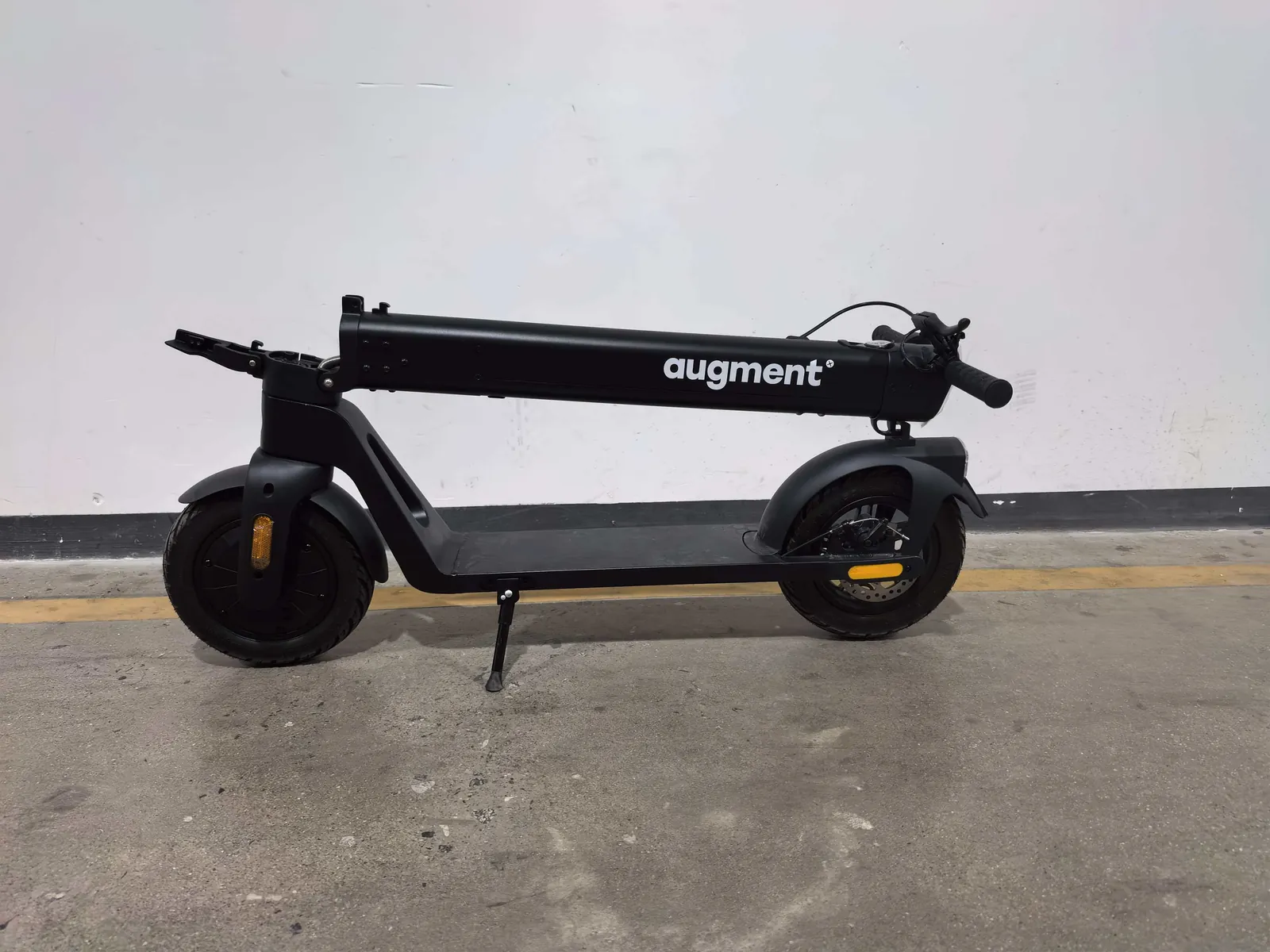
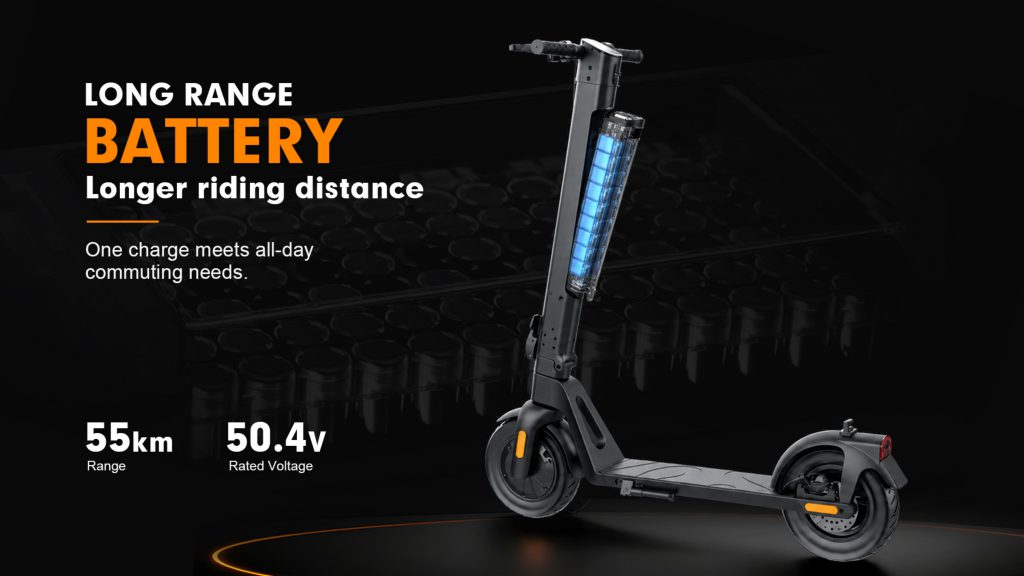
Second, when a repair was needed, it was fast. The battery, rear wheel, and motor detach with a patented one-click quick-release, so their repair center swaps the part instead of dismantling the whole scooter. The machine goes back to the rider in a fraction of the usual time.
Lower repair frequency, and faster repair when it happens. Those two numbers are what an after-sales P&L is actually made of.
An e-scooter is a moving, load-bearing vehicle. For that category, the number that decides a reseller’s year is not the lowest FOB quote. It is how predictably the product behaves in the field across a season.
Maintenance is unavoidable on any vehicle, so the real lever is not pretending it away. It is making each service event cheaper and faster. Every hour of labor and every return shipment avoided is margin the seller keeps. That is why the quick-release was drawn against a specific market pain point, not added as a spec-sheet line. You can see how it is built on the D01 product page.
The math is simple: stable quality lowers how often you pay, and quick-release lowers how much each fix costs. What you save is the profit.
To weigh it against your own service model, see the D01 spec sheet and FOB terms, or reach us on the contact page.
What does quick-release mean on the D01?
The battery, rear wheel, and motor detach with a patented one-click mechanism. A repair center can swap a part in minutes rather than dismantling the scooter, which shortens repair turnaround for the end user.
Why does after-sales design affect a reseller’s profit?
After-sales is both a competitive edge and a major cost. Lower repair frequency and faster repairs cut labor, downtime, and return shipping. The cost saved on service is margin the seller keeps.
Written by the Smiles Tech Team, Overseas Sales, Smiles Tech Industrial Limited (Shenzhen).