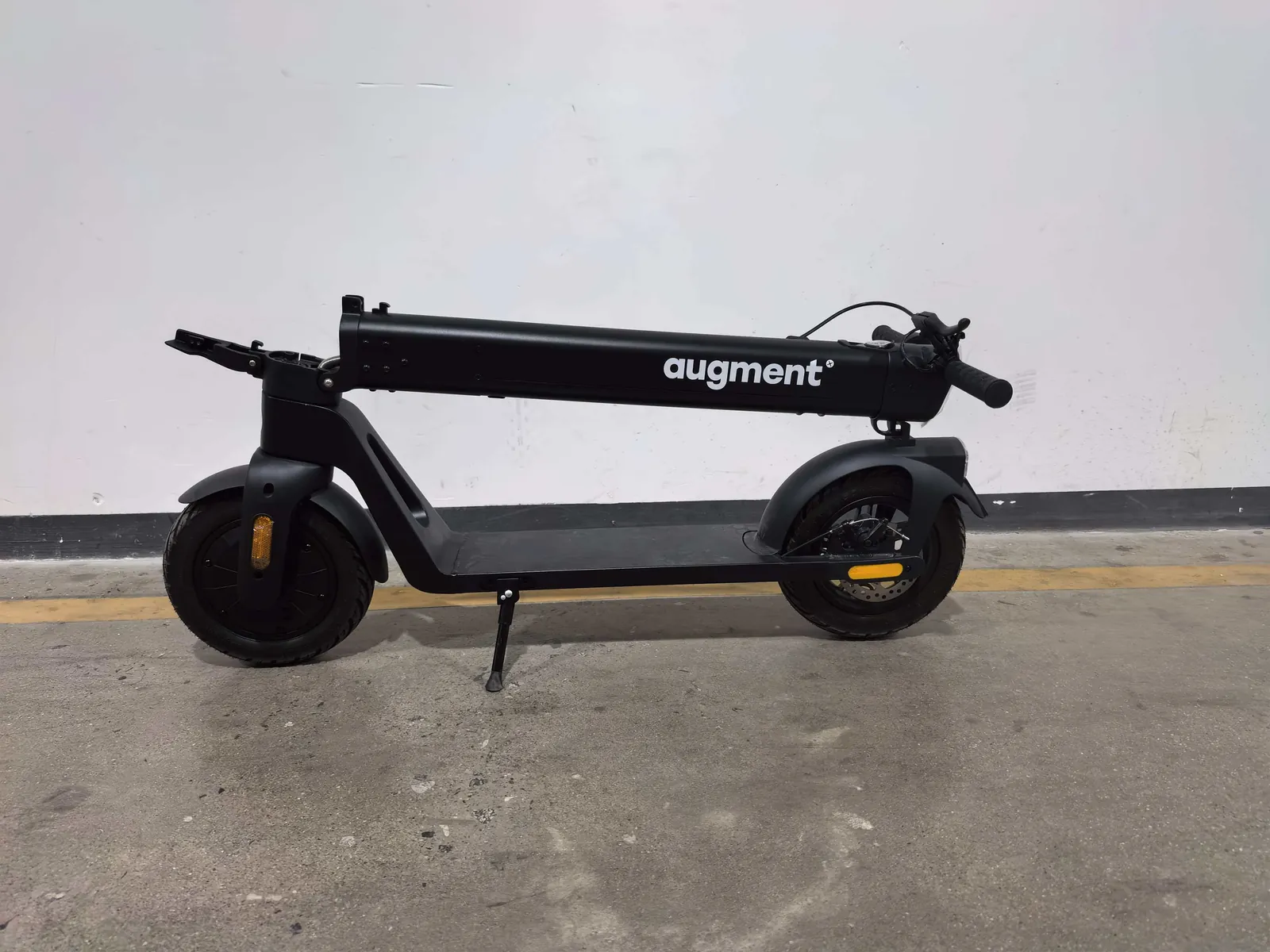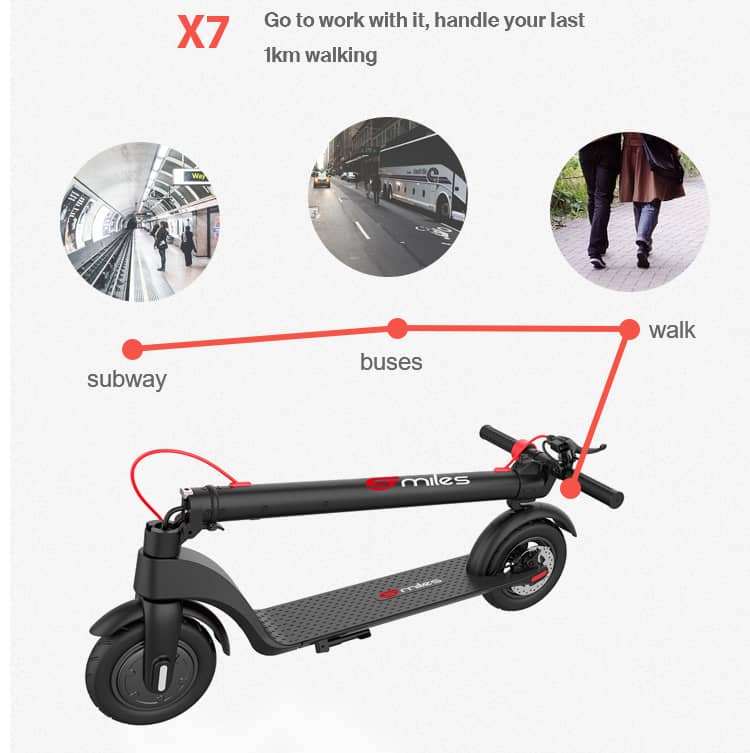

What does an EU-compliant electric scooter need to deliver in 2026? This article covers compliance requirements, common sourcing mistakes, and certification verification using the D01 as a detailed example for European distributors.
European distributors evaluating electric scooter suppliers in 2026 are working through a different checklist than they were three years ago. Regulatory enforcement has tightened, customs documentation requirements have grown more specific, and the commercial cost of getting the wrong product through the wrong supplier has become concrete — rejected shipments, retailer delistings, and warranty liabilities that weren’t anticipated at the point of sourcing.
Over the past two years, we have seen a clear shift in how European importers approach initial supplier conversations. Buyers who previously focused primarily on unit price and lead time now routinely arrive with specific documentation requests before a container order is discussed: EN 17128 test reports, UN38.3 battery certification, SGS or equivalent production audit records. Customs brokers and retail compliance teams have driven this change as much as the distributors themselves.
This article covers what an EU-compliant electric scooter needs to deliver at the product and supplier level in this environment, then examines the D01 from Smiles Tech as a specific sourcing example against those criteria.
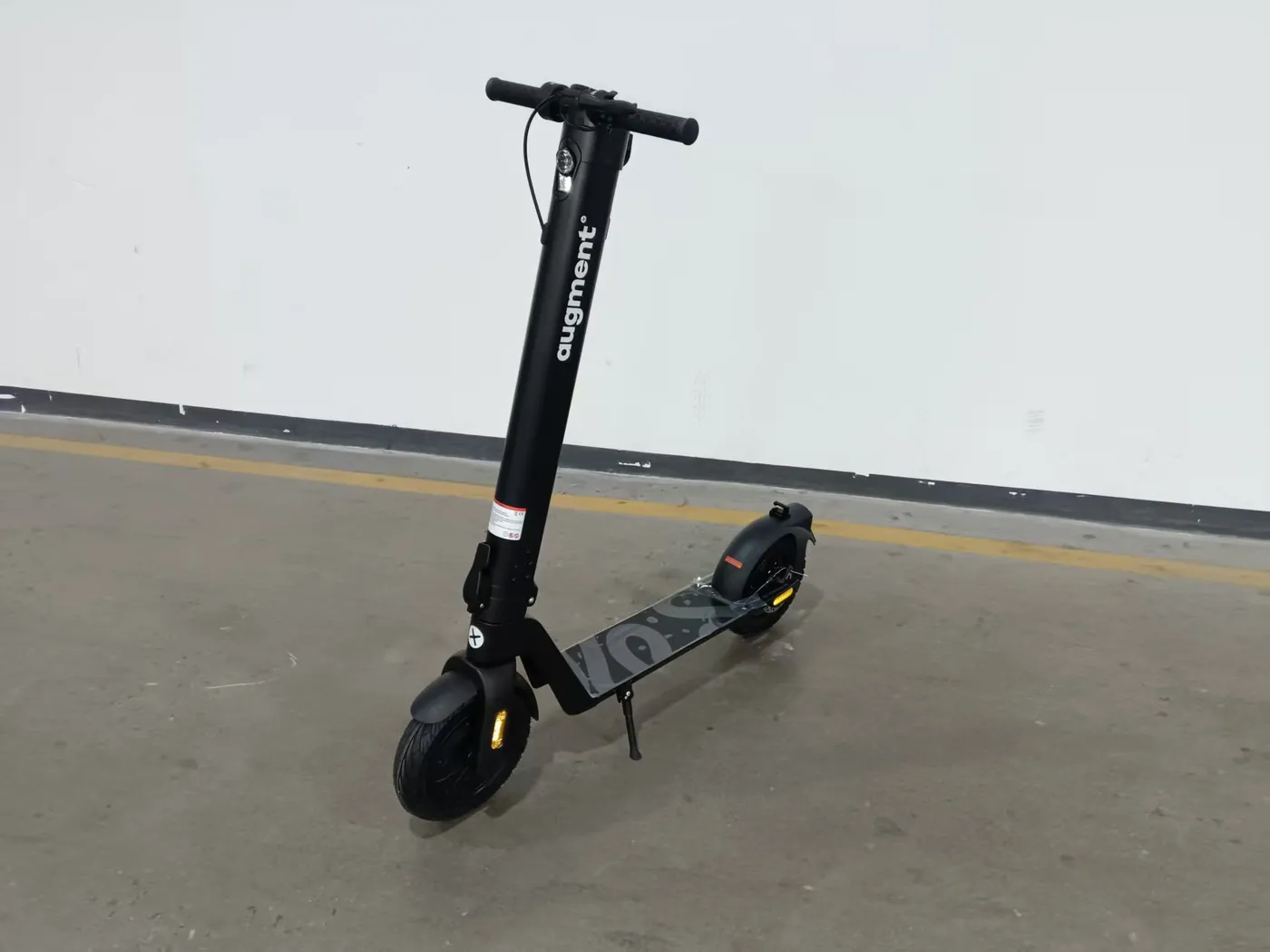
The baseline for any electric scooter sold across EU member states is CE marking alongside EN 17128 — the standard governing personal light electric vehicles. In practice, compliance means more than displaying a CE mark on the product.
Customs authorities in Germany, France, the Netherlands, and Poland are increasingly requesting underlying test documentation: third-party lab reports covering the specific SKU being imported, not a related model or platform variant. RoHS compliance covers restricted substances in the battery and electronics. UN38.3 addresses battery transport certification, which is required for air freight and increasingly requested for sea freight documentation by forwarders and insurers.
For a personal electric vehicle distributor entering or expanding in European markets, the critical questions when evaluating any CE certified electric scooter are:
For more background on which certifications apply to different import scenarios, this overview of electric scooter import certification requirements covers the EU framework in detail.
Accepting supplier declarations in place of third-party test reports. A supplier-issued declaration of conformity is not the same as a lab-issued test report. Customs authorities and retail compliance teams distinguish between the two. Distributors who have relied on declarations have found themselves unable to provide the documentation a customs inspection requires.
Certificates not matched to the imported SKU. A CE certificate issued for a specific model variant does not automatically cover similar variants produced on the same line. Distributors have encountered rejections where the certified model had minor specification differences from the actual shipment — different battery capacity, wheel size, or firmware.
Not verifying whether the certificate reflects current production. Certificates issued against a design from two production cycles ago may not accurately represent what is currently being shipped. Asking when the certificate was last renewed, and which production batch it covers, is a basic verification step that is often skipped.
Treating all CE marks as equivalent. The CE marking scheme operates on a self-declaration basis for many product categories, which means the credibility of the mark depends on the depth of the documentation behind it. An EU scooter importer whose retail account conducts a compliance audit will need the underlying test reports — the CE mark alone is not sufficient.
Beyond product-level certification, urban mobility retailers and wholesale distributors sourcing for European markets are assessing supplier reliability at the process level: production consistency, documentation availability, and after-sales infrastructure.
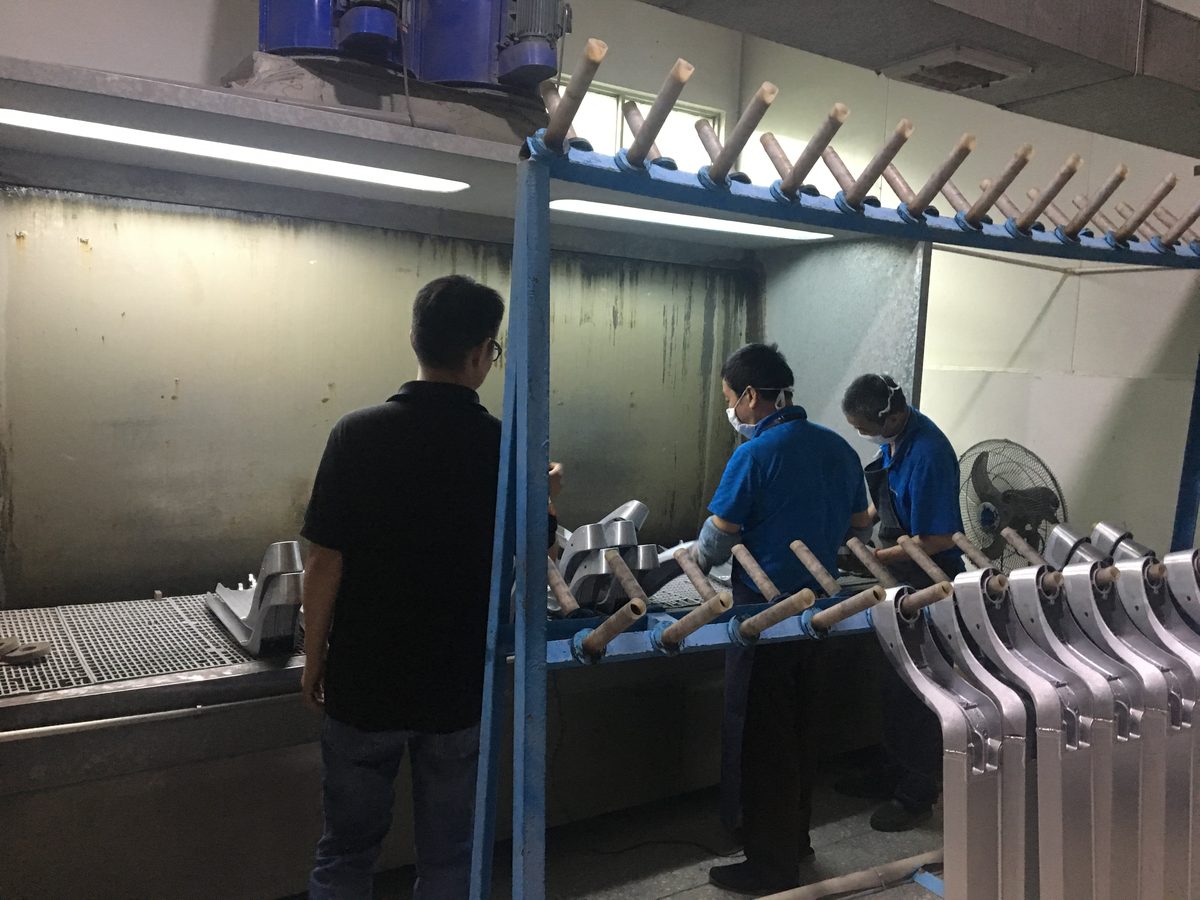
The Smiles Tech manufacturing facility operates under SGS production audits — independent inspections that verify process standards at the factory level, not only at finished product certification. For distributors whose retail accounts require supply chain documentation, or who have dealt with batch-to-batch quality inconsistencies from other suppliers, this kind of third-party process verification is a meaningful differentiator.
The D01 is produced at this facility and carries CE marking, EN 17128 compliance, EMC, RoHS, UN38.3, and MSDS documentation. Certifications are issued against the specific production SKU, and third-party test reports are available for customs and retail compliance review on request.
| Specification | D01 |
|---|---|
| Motor | 500W rated / 1,000W peak, front-drive |
| Battery | 52V 9.6Ah lithium-ion, removable |
| Range | 35–45 km (mixed urban conditions) |
| Max Speed | 25 km/h (EU speed limit compliant) |
| Max Load | 150 kg |
| Weight | 17.8 kg |
| Tires | 10-inch solid (puncture-free) |
| Waterproofing | IPX4 |
| Braking | Electronic front + rear drum |
| Certifications | CE, EN 17128, EMC, RoHS, UN38.3, MSDS |
The 25 km/h speed ceiling is designed into the hardware and firmware, not applied as a post-production limit on a higher-speed platform. This matters for markets where customs or retail compliance teams verify operating parameters directly — a firmware-limited model and a purpose-designed EU-spec model do not carry the same documentation profile.
The removable 52V battery addresses a practical retail concern in dense urban markets: riders without street-level charging access can remove and carry the battery separately. For distributors, it also simplifies warranty handling — a battery replacement does not require the full unit to be returned for service.
One persistent structural risk in electric scooter wholesale for Europe is lead time variability from Chinese manufacturers. Production orders for non-stocked or custom configurations typically carry 45 to 60-day lead times from order confirmation, with additional variability from component availability and production scheduling. For distributors managing seasonal demand or retail reorder cycles, that window creates inventory exposure in both directions.
The D01 is available as an in-stock model, with a standard order of 1 × 40′ HQ container (620 units) on FOB Shenzhen terms. Dispatch timelines run from days, not weeks, after payment confirmation. For distributors who have managed the cost of a peak-season stockout — or who have over-ordered on a custom model to buffer lead time risk — in-stock availability is a material commercial factor, not a secondary consideration.

Pulling the criteria above into a single evaluation: what a European mobility distributor needs from a compliant EN 17128 electric scooter supplier in 2026 is documented compliance at the SKU level, verified production processes, and stock availability that doesn’t require speculative over-ordering.
The D01 addresses each of these. Its certifications are issued against the specific production model and supported by third-party lab documentation. The Shenzhen facility operates under SGS audit. The product is in stock at 620-unit container MOQ on FOB Shenzhen terms, with T/T payment, 12-month unit warranty, and 6-month battery warranty.
It is not the lowest-cost option available from China at this specification tier. It is positioned for distributors for whom the cost of a compliance failure, a customs rejection, or a supply chain disruption has moved from theoretical to a line item they have already encountered.
OEM configuration — branding, packaging, firmware adjustments within EU-compliant parameters — is available on request. Lead times for OEM orders differ from stock and should be confirmed directly.
Review the D01 full specifications and commercial terms.
Smiles Tech Industrial Limited has manufactured electric scooters since 2006. The D01 is produced at our Shenzhen facility and certified under CE, EN 17128, and SGS audit standards for European distribution.
The D01 carries CE marking, EN 17128 (the EU standard for personal light electric vehicles), SGS production audit, UN38.3 battery transport certification, RoHS, and MSDS. Third-party test reports are issued against the specific production SKU and are available on request for customs or retail compliance review.
The minimum order is 50 units. A standard 40′ HQ container holds 620 units. Orders at container scale ship on FOB Shenzhen terms with payment by T/T.
Sea freight from Shenzhen to Northern European ports (Rotterdam, Hamburg, Felixstowe) typically takes 30–35 days. The D01 is held in stock, so dispatch from Shenzhen follows days after payment confirmation rather than waiting for a production lead time.